

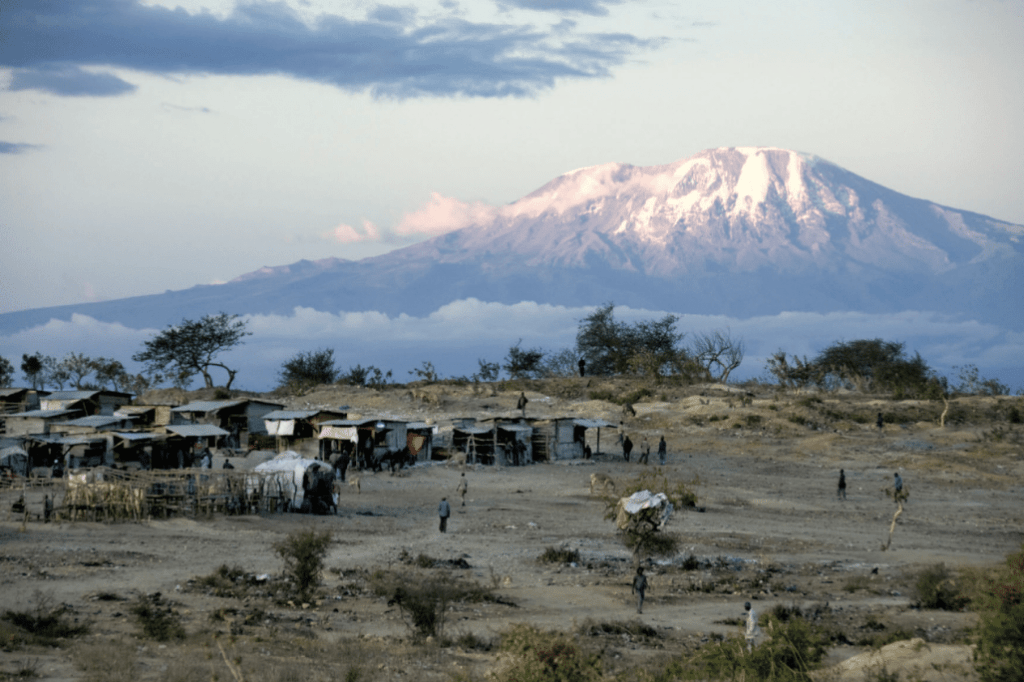
The Blue Jewel: Uncovering the History of the Tanzanite Mine
Tanzanite, a rare and breathtakingly beautiful gemstone, has captivated the hearts of collectors and connoisseurs worldwide. This extraordinary stone, discovered in Tanzania’s Merelani Hills, has an intriguing history that spans millions of years.
Geological Genesis: The Birth of Tanzanite
Deep within the Earth’s crust, a unique combination of geological forces created the perfect environment for tanzanite to form. The collision of two tectonic plates pushed the earth’s mantle upward, creating a volcanic pipe where magma and minerals rose through the crust. As these fluids cooled, they deposited the distinctive blue-violet hues of tanzanite, which would eventually become one of the world’s most sought-after gemstones.
A Rare Find: The Discovery of Tanzanite
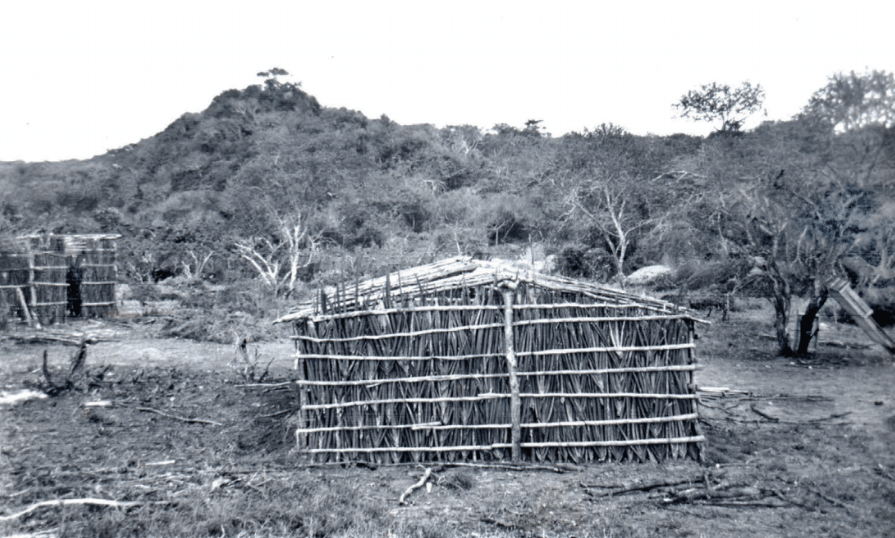
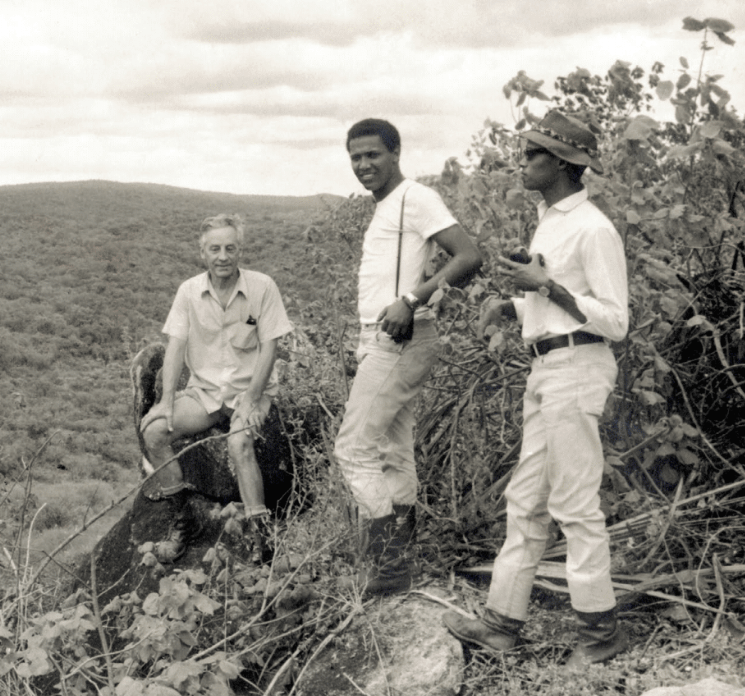
In 1967, two Tanzanian geologists stumbled upon a small, rough-cut stone while exploring the Merelani Hills. They took this unusual blue-violet gemstone to a local jeweler, who recognized its rarity and potential value. News of the discovery spread quickly, attracting the attention of international collectors and miners.
The First Mines: Pioneering Efforts
The initial mining efforts were modest, with a handful of artisanal miners extracting small quantities of tanzanite from the Merelani Hills. As interest grew, so did the scale of operations, with larger mines being developed to meet demand. These early mines operated under challenging conditions, often with limited resources and infrastructure.
Commercial Mining: A New Era
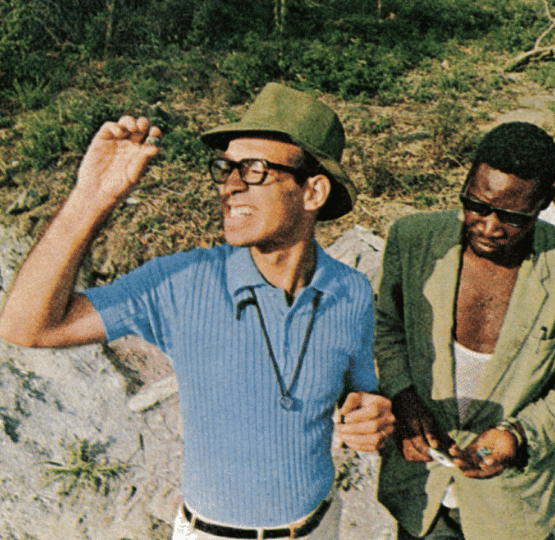
In 1979, the Tanzanian government granted a mining concession to the TanzaniteOne company, marking the beginning of commercial-scale tanzanite mining in the country. This partnership paved the way for modern mining techniques, increased production, and a more efficient supply chain. Today, TanzaniteOne remains one of the world’s leading producers of this extraordinary gemstone.
Sustainability: Protecting the Resource
As the demand for tanzanite continued to rise, concerns grew about the long-term sustainability of the mine. To address these worries, the Tanzanian government and mining companies collaborated on environmental initiatives, implementing strict regulations to ensure responsible mining practices. This commitment to sustainability has preserved the integrity of the Merelani Hills ecosystem while maintaining a steady supply of this precious gemstone.
The Value of Rarity: Appreciating Tanzanite
With an estimated annual production of around 1,000 kilograms (2,200 pounds), tanzanite remains one of the rarest and most valuable gemstones in the world. As collectors prize this stone for its exceptional beauty and rarity, its value continues to rise.
 The Mineralogical Record
Leave a comment